
By the Engineering & Procurement Team at Apex Uniparts. Since 1983, Apex Uniparts has been a trusted supplier and conveyor chain stockist for palm oil milling and general industry across Malaysia, specializing in minimizing operational downtime.
Apex Uniparts
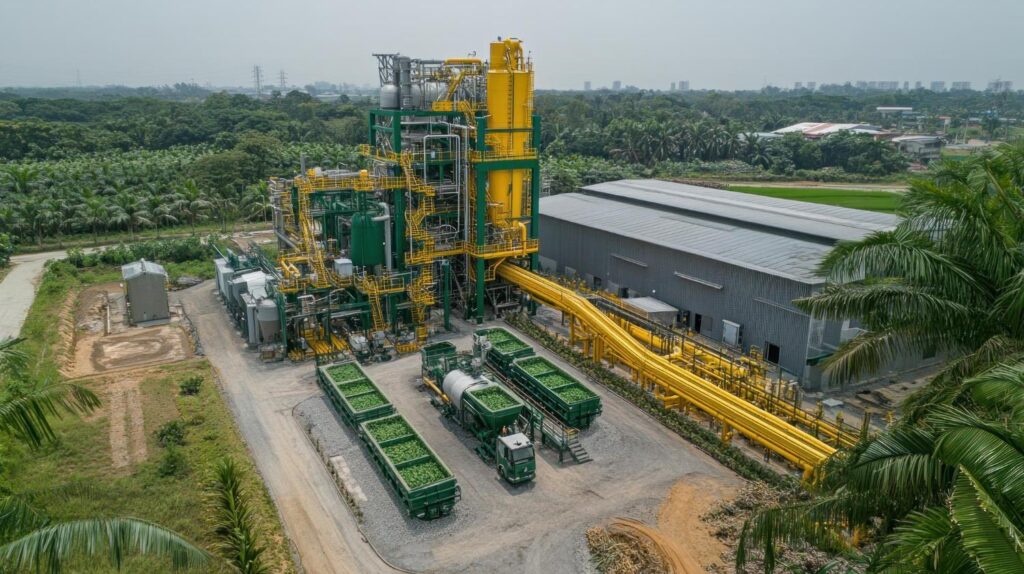
Which Inventory Strategy is Better for Malaysian Mills?
For critical, high-wear components in heavy industries like palm oil, strategic stockpiling is vastly superior to Just-in-Time (JIT). While JIT saves warehouse space, unexpected global supply chain delays on industrial spare parts in Malaysia can cause catastrophic production halts, costing mills tens of thousands of Ringgit per hour.
Understanding the Two Strategies
When managing plant maintenance and overhaul schedules, procurement teams generally debate between two core inventory management philosophies:
- Just-in-Time (JIT): A lean manufacturing concept where parts are ordered and received strictly as they are needed for maintenance. It aims to reduce holding costs and free up cash flow.
- Strategic Stockpiling: Holding a calculated “safety stock” of critical components on-site or at a local supplier’s warehouse to ensure immediate availability during breakdowns.
Cost-Benefit Comparison Table
Here is how the two strategies compare when applied to heavy industrial environments:
| Factor | Strategic Stockpiling | Just-in-Time (JIT) |
|---|---|---|
| Initial Capital | High (Cash tied up in inventory) | Low (Pay as you need) |
| Storage & Holding Costs | Higher | Minimal |
| Risk of Catastrophic Downtime | Very Low | Extremely High |
| Freight Costs | Low (Cheaper via sea/bulk) | High (Often requires urgent air freight) |
| Best Used For | Critical process components (chains, gearboxes, motors) | Readily available local commodities (standard bolts, office supplies) |
The Reality of JIT in Heavy Industry
In our four decades of supporting operations across Johor, Sabah, and Sarawak, the Apex Uniparts team has seen the devastating effects of purely JIT strategies during peak Fresh Fruit Bunch (FFB) crop seasons. If a primary elevator chain snaps and you do not have a spare, JIT fails. Lead times for high-grade engineered chains or specific industrial drives can stretch into weeks due to port congestions or manufacturing delays. A mill cannot wait weeks.)
To effectively reduce mill downtime, relying on a perfectly timed global supply chain in 2026 is an unnecessary risk. This is why transitioning to a strategic stockpiling model for critical components is the most financially sound decision a mill manager can make.
3 Financial Benefits of Strategic Stockpiling
- Downtime Prevention Outweighs Holding Costs: The cost of storing a spare WEG electric motor or a length of Apex conveyor chain is a fraction of the cost of halting production for 72 hours while waiting for an emergency shipment.
- Protection Against Inflation: The price of raw materials (steel, copper) fluctuates constantly. Bulk procurement of industrial parts allows you to lock in today’s prices, hedging against future inflation and surcharges.
- Cheaper Logistics: Emergency air-freighting heavy industrial parts into Malaysia is exorbitantly expensive. Stockpiling allows you to utilize standard, cost-effective sea freight.
How to Implement a "Hybrid" Stockpiling Approach
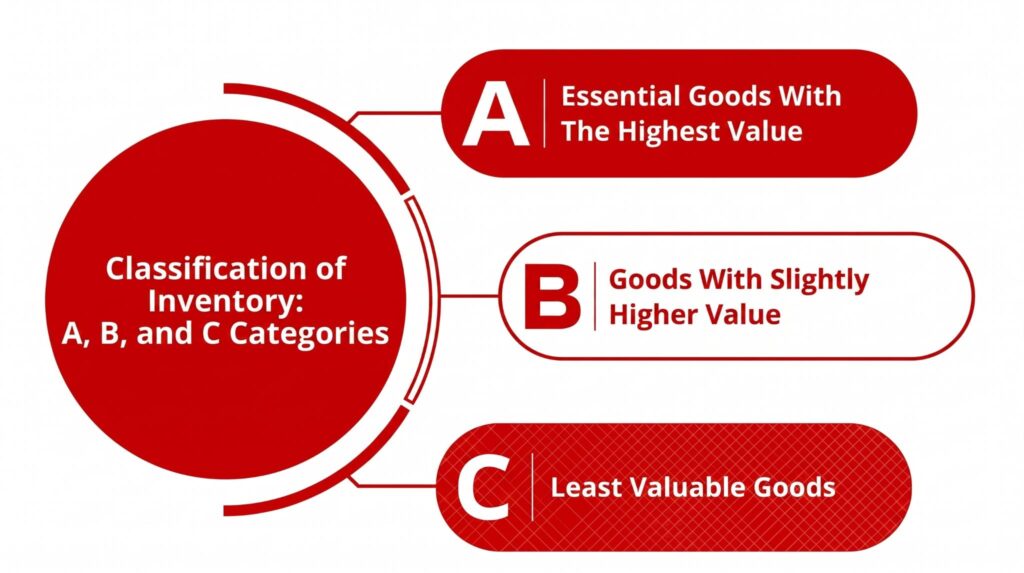
The most cost-effective method is a hybrid approach utilizing the ABC Inventory Analysis method:
- Identify ‘A’ Items (Critical): These are parts that will immediately stop production if they fail (e.g., main conveyor chains, decanter motors, and Apex Drive/Guomao gearboxes). Action: Always hold these on-site.
- Identify ‘B’ Items (Important): Parts that reduce efficiency but don’t stop the mill entirely. Action: Partner with a reliable local stockist.
- Identify ‘C’ Items (Standard): Generic, widely available parts. Action: Manage these with a lean/JIT approach.
The Local Stockist Advantage: If you lack warehouse space, the best strategy is to partner with a heavily stocked local distributor. As a major conveyor chain stockist and industrial equipment supplier, Apex Uniparts holds the inventory risk for you.
Since 1983, Apex Uniparts has been a trusted supplier and conveyor chain stockist for palm oil milling and general industry across Malaysia, specializing in minimizing operational downtime. We keep extensive local stock of critical components so that when your mill has an emergency, the part is only a truck ride away, not an ocean away.
Is your mill prepared for the next unexpected breakdown? Do not let supply chain delays dictate your production schedule.
Explore our comprehensive engineering and maintenance services to discuss bulk procurement strategies, local warehousing of your critical spares, and how our premium product lines can drastically reduce your operational downtime.