
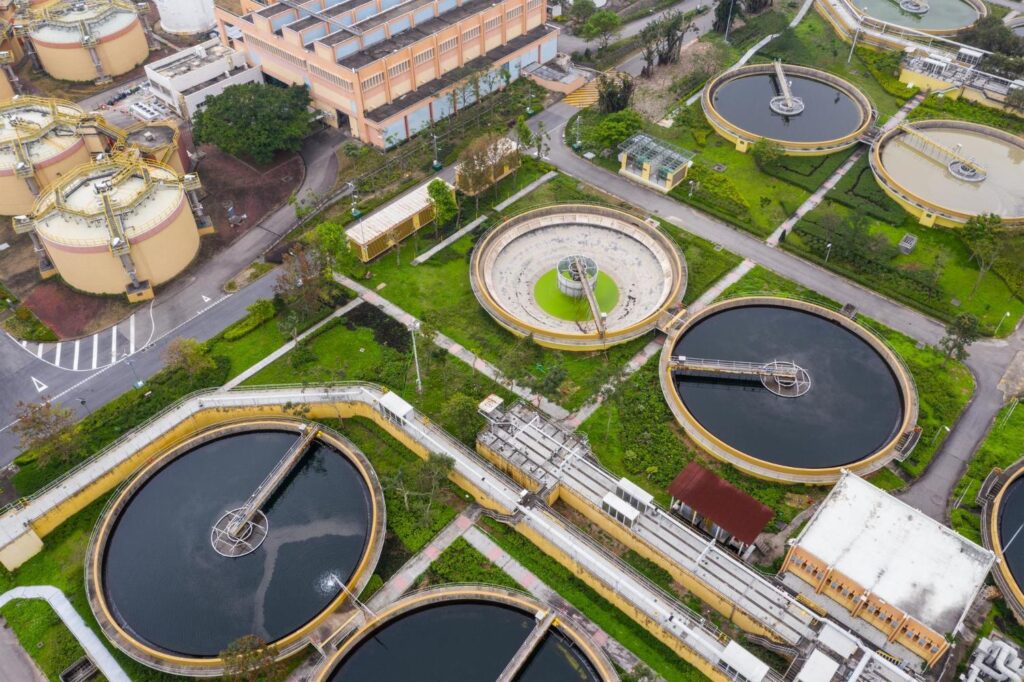
Why Upgrade Your Wastewater Pumps for DOE Compliance?
To consistently meet stringent DOE Malaysia water discharge standards, industrial facilities and palm oil mills must rely on precise chemical dosing and efficient sludge handling.
Upgrading to modern, high-efficiency wastewater pumps ensures accurate chemical neutralization, prevents toxic overflow, and guarantees strict industrial effluent compliance, protecting your facility from heavy fines and forced shutdowns.
Understanding DOE Malaysia Water Discharge Standards
The Department of Environment (DOE) Malaysia enforces strict regulations under the Environmental Quality Act 1974. For general manufacturing, the Environmental Quality (Industrial Effluent) Regulations 2009 dictate the limits for Biological Oxygen Demand (BOD), Chemical Oxygen Demand (COD), and Total Suspended Solids (TSS) under Standard A and Standard B.
For the palm oil sector, the regulations are even more specific, governed by the Environmental Quality (Prescribed Premises) (Crude Palm Oil) Regulations 1977. Palm Oil Mill Effluent (POME) is highly acidic and has massive oxygen-depleting potential.
If a mill’s fluid handling system fails to treat this properly before discharge, the environmental impact, and the resulting legal penalties are severe.
The Cost of Non-Compliance vs. Equipment Upgrades
Here is how relying on aging equipment compares to upgrading your fluid handling systems when facing DOE audits:
| Factor | Aging/Standard Treatment Pumps | Upgraded High-Efficiency Pumps |
|---|---|---|
| Dosing Accuracy | Low (Leads to under/over-dosing chemicals) | High (Precise pH neutralization) |
| Clogging Risk | High (Frequent downtime for maintenance) | Minimal (Designed for high suspended solids) |
| DOE Compliance Risk | High Risk of Fines / Stop-Work Orders | Strict Compliance Assured |
| Operational Cost | High OPEX (Wasteful chemical usage, high energy) | Optimized OPEX (Lower energy and chemical waste) |
How Upgraded Pumps Ensure Industrial Effluent Compliance
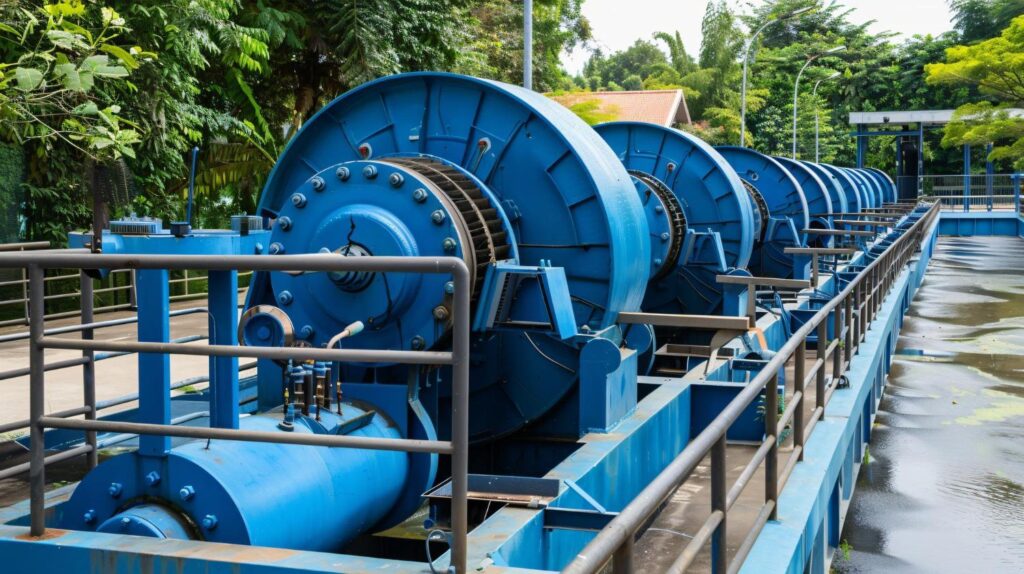
Having supplied fluid handling systems to treatment plants across Selangor, Johor, and East Malaysia for over 40 years, we frequently see facilities failing DOE audits not because their treatment process is flawed, but because their aging pumps cannot deliver chemicals accurately or handle heavy sludge consistently. Precision is the key to compliance.
Achieving compliance requires a multi-stage approach, and the mechanical heart of each stage is the pump. Here is how upgrading specific POME treatment equipment guarantees your discharge meets regulatory limits:
1. Precise pH Neutralization and Coagulation
Wastewater and POME require exact amounts of alkaline chemicals, coagulants, and flocculants to neutralize acidity and separate solids. Aging pumps suffer from fluctuating pressure, leading to chemical waste or non-compliant effluent.
- The Solution: Upgrading to precision Chemical Metering Pumps (such as our Kempion or Uniflo piston/diaphragm pumps) ensures automated, highly accurate chemical dosing down to the exact drop, keeping your pH levels perfectly within DOE limits.
2. Handling Heavy Sludge and Suspended Solids
Transferring thick, abrasive sludge from clarifiers or anaerobic ponds requires extreme durability. Standard water pumps will rapidly erode or clog when handling suspended solids.
- The Solution: Utilizing specialized heavy-duty process pumps, like our Kewpumps (Model KS SE3), provides the robust clearance and anti-abrasive materials needed to seamlessly move polluted water and sediment sludge without unexpected downtime.
3. Maximizing Aeration and Biological Breakdown
In the biological treatment phase, oxygen must be introduced to bacteria to reduce BOD and COD levels before final discharge. Stagnant ponds lead to anaerobic failure and foul odor emissions, which are red flags during a DOE inspection.
- The Solution: Deploying Mixers and Surface Aerators ensures optimal oxygen transfer and homogeneous mixing in your ponds, radically accelerating the breakdown of organic matter to meet Standard A or B discharge limits.
Partnering with the Right Wastewater Pump Supplier
When the reputation and legal standing of your facility are on the line, you cannot afford to buy off-the-shelf pumps from unverified vendors. You need an engineering partner who understands the harsh realities of Malaysian industrial wastewater.
As an integrated wastewater pump supplier, Apex Uniparts does more than just supply the equipment. Since 1983, Apex Uniparts has been a leading wastewater pump supplier and industrial equipment distributor in Malaysia, specializing in fluid handling, effluent treatment, and regulatory compliance for the palm oil and general manufacturing sectors.
We offer comprehensive engineering and maintenance services, including pump sizing, system design, and lifecycle maintenance, to ensure your effluent treatment plant operates flawlessly 24/7.
Is your facility at risk of failing its next DOE water discharge audit? Stop relying on outdated equipment. Contact the Apex Uniparts fluid engineering team today to upgrade your chemical metering, aeration, and sludge transfer systems to guarantee total regulatory compliance.