
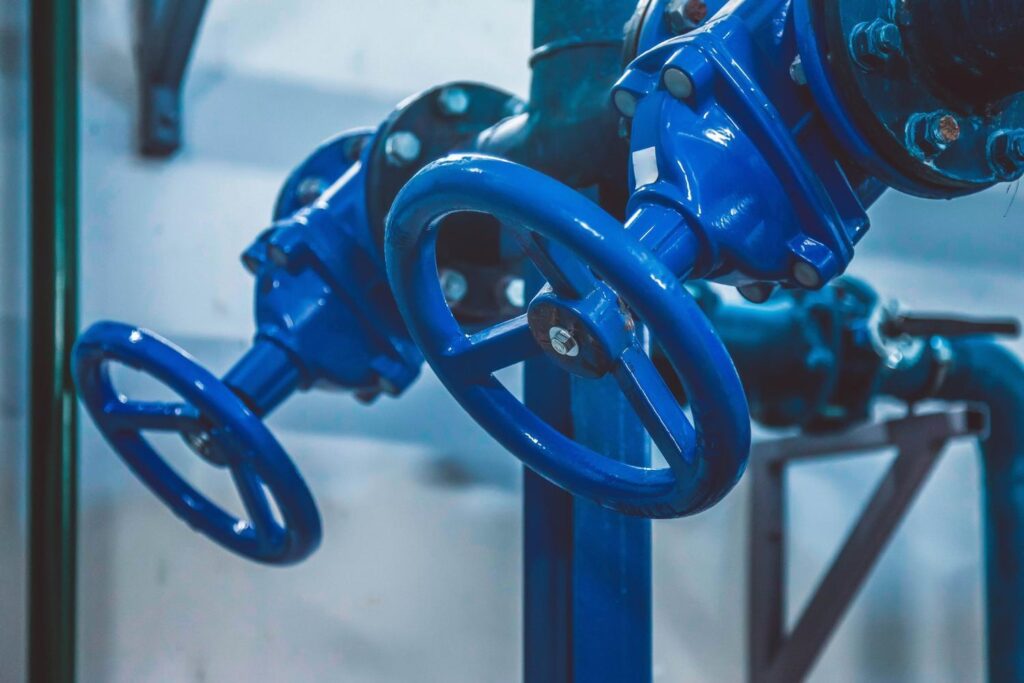
A gate valve is widely used in industrial piping systems to isolate the flow of liquids and gases. Unlike Control Valves, which regulate flow continuously, gate valves are primarily designed to operate fully open or fully closed.
They are commonly used in water supply, steam, oil, chemical processing, power generation, and industrial process systems where reliable on/off isolation is required.
How Does a Gate Valve Work?
A gate valve uses a movable gate or wedge to open or close the flow path. When the valve is open, the gate lifts away from the passage, allowing fluid to flow with relatively little obstruction. When closed, the gate moves down between the seats to stop the flow.
Can a Gate Valve Control Flow?
Generally, a gate valve should not be used as a throttling valve.
Keeping the gate partially open can cause undesirable flow conditions, vibration, erosion, and premature wear. If an application requires continuous adjustment of flow, pressure, temperature, or another process variable, a suitable control valve should be considered.
The valve should also be selected according to the applicable product standard, pressure rating, fluid service, and project specifications. Depending on the application, relevant standards may include ASME B16.34, API 600, and API 602.
Common Applications of Gate Valves
Water Supply and Distribution
Gate valves are commonly installed in water pipelines to isolate sections of a network during maintenance, repair, or upgrades.
This is particularly relevant in Malaysia, where ageing water infrastructure continues to require investment. In January 2026, The Star reported that almost one-third of Malaysia’s 140,000 km of water pipelines were past their prime, with approximately 39,000 km requiring replacement.
For potable-water systems, valve materials and coatings should meet relevant project requirements and applicable approvals, including requirements from Suruhanjaya Perkhidmatan Air Negara (SPAN) where applicable.
Steam Systems
Gate valves can isolate sections of steam piping, equipment, or process systems during maintenance or shutdown.
Selection should consider pressure and temperature ratings, body and trim materials, packing compatibility, thermal expansion, condensate management, and applicable specifications, such as ASME B31.1 Power Piping Code where relevant.
Industrial Process Lines
Industrial facilities use gate valves on pipelines carrying water, oil, chemicals, and other process fluids.
For chemical or hazardous-fluid service, selection should consider chemical compatibility, corrosion resistance, leakage requirements, emissions control, and appropriate sealing materials.
Pumping Systems
Gate valves may be installed around pumps and associated piping to isolate equipment during maintenance.
A pumping system may also require check valves, pressure gauges, drains, vents, and other protective devices. A gate valve should not be closed against a running pump unless the system design and operating procedure specifically allow it.
Power Generation
Power plants and industrial utilities use valves across steam, feedwater, cooling water, condensate, and other systems.
Gate valves may be used where reliable isolation is required, with selection typically based on pressure class, materials, inspection, testing, and documentation requirements.
How to Choose the Right Gate Valve
The right gate valve depends on the fluid, operating conditions, size, and installation requirements.
1. Fluid, Pressure and Temperature
Identify the fluid being handled, such as water, steam, oil, chemicals, or condensate. Check its operating pressure and temperature to ensure the valve’s materials, seals, and pressure rating are suitable.
2. Size and Connection
Match the valve to the pipeline’s nominal size and connection. Consider the flange standard, pressure class, face-to-face dimensions, installation space, and pipe alignment.
3. Manual or Automated Operation
Gate valves can use a handwheel for manual operation or an actuator for remote or automated control. For actuated valves, ensure the actuator is correctly sized for the valve’s operating requirements.
4. Operating Environment
Consider corrosion, moisture, vibration, temperature, and outdoor exposure. Additional protection, insulation, or guarding may be required depending on the application.
A gate valve is generally appropriate when a pipeline needs to be fully opened or closed. A control valve is more suitable when continuous flow or pressure regulation is required.
Gate Valve Safety Considerations
Before servicing a gate valve, workers should identify all energy sources, isolate the system, apply the site’s lockout/tagout procedure, depressurise and drain the relevant section, and verify zero pressure before work begins.
A single closed valve may not provide sufficient protection where leakage, bypass lines, trapped pressure, or multiple energy sources are possible. Malaysian workplaces should follow approved procedures and applicable requirements from the Department of Occupational Safety and Health (DOSH).
Do not force a stuck handwheel with improvised tools. A stuck valve may indicate pressure imbalance, corrosion, mechanical damage, or a damaged stem or actuator.
Apex Uniparts Gate Valve and Industrial Valve Solutions
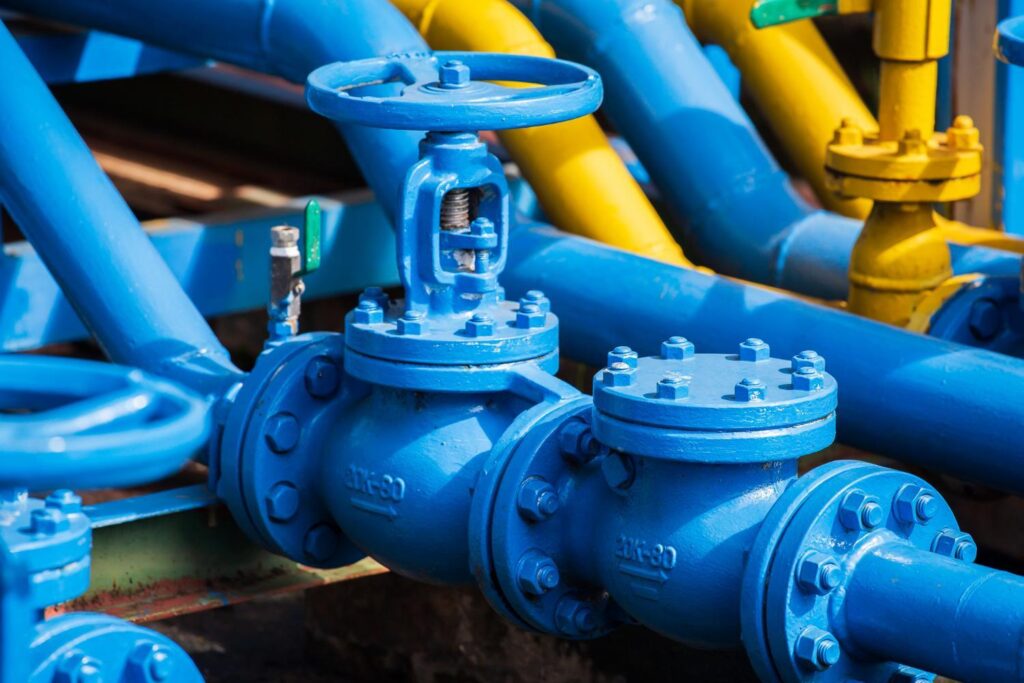
Apex Uniparts supplies a broad range of Industrial Valves in Malaysia, including YSK® Forged Steel Globe Valve, YSK-Hippo, Unicom, and Inline valve solutions for water, steam, oil, and other industrial applications.
For each gate valve application, the final product should be confirmed against the required pressure class, temperature range, fluid compatibility, connection standard, materials, operating method, and project specifications.
Control Valve Solutions
Where the application requires continuous flow or pressure regulation rather than simple isolation, Apex Uniparts also supplies control valve solutions, including:
- Pressure reducing valves
- Water Level Control Valves
- Desuperheaters
- Auto Venting Valves
Explore the Apex Uniparts control valve range for applications requiring automated process control.
Choosing the Right Gate Valve for Your Application
A gate valve is primarily an isolation valve, making it suitable for applications where a pipeline or piece of equipment needs to be fully opened or shut off. Its relatively unobstructed flow path when fully open can also make it useful where low pressure drop is desirable.
However, valve selection should consider the fluid, pressure, temperature, size, connection, materials, installation conditions, operating method, and applicable standards.
With its range of industrial valves and technical support services, Apex Uniparts can help businesses identify suitable valve solutions based on their equipment and operating requirements.
Looking for gate valves or industrial valve solutions in Malaysia? Explore Apex Uniparts’ valve range or control valve solutions.