
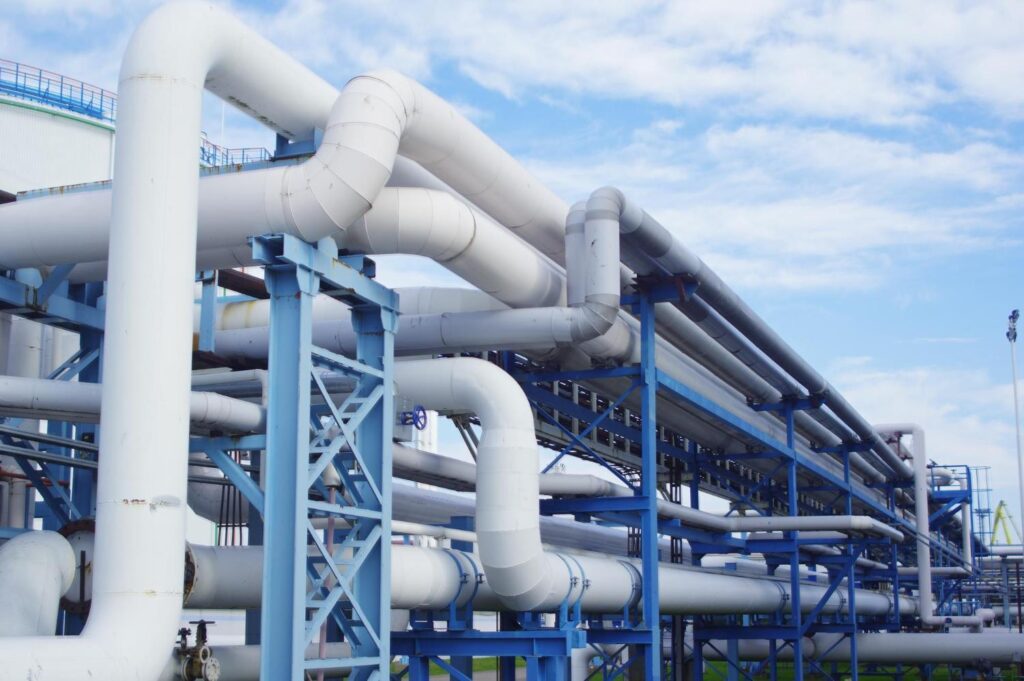
Industrial water treatment is essential for manufacturers, palm oil mills, food processing plants, chemical facilities, and other industries that use large volumes of water. A properly designed system helps remove contaminants, protect downstream equipment, support production processes, and ensure industrial effluent is treated before discharge.
In Malaysia, industrial facilities must also consider environmental requirements set by the Department of Environment (DOE), including the Environmental Quality (Industrial Effluent) Regulations 2009. The regulations cover industrial effluent treatment systems, monitoring, operation, discharge conditions, and acceptable limits.
For businesses planning or upgrading an industrial water treatment system, understanding the treatment process and the equipment involved is an important first step.
What Is Industrial Water Treatment?
Industrial water treatment refers to processes used to treat water for industrial applications or remove contaminants from wastewater generated by industrial activities.
Depending on the application, treatment may be required for:
- Raw water entering a facility
- Process water used in manufacturing
- Boiler or cooling water
- Industrial wastewater and effluent
- Sludge generated during wastewater treatment
- Water intended for reuse or recycling
The treatment method depends on the water quality, contaminants present, required output quality, flow rate, and intended discharge or reuse.
Industrial Water Treatment Process
While every facility requires a different treatment design, a typical industrial water treatment process may include several stages.
1. Screening and Preliminary Treatment
The first stage removes larger solids, debris, and other materials that could damage pumps or downstream equipment. Screening and separation reduce the load on subsequent treatment stages.
Equipment such as screens, skimmers, and suitable pumps can be incorporated depending on the wastewater characteristics.
2. Chemical Dosing and Conditioning
Chemicals may be introduced to adjust pH, support coagulation and flocculation, or control specific contaminants.
Accurate dosing is particularly important because excessive or insufficient chemical addition can affect treatment performance and operating costs. Chemical metering pumps are commonly used for controlled dosing.
Apex Uniparts supplies chemical metering pumps for applications including water and wastewater treatment.
3. Biological Treatment and Aeration
Where wastewater contains biodegradable organic matter, biological treatment can be used to reduce pollutants such as BOD and COD.
Aeration supplies oxygen to microorganisms involved in biological treatment, while mixers help maintain suitable circulation and prevent solids from settling in treatment tanks.
Apex Uniparts’ Mixers and Agitators and Surface Aerators can form part of an integrated wastewater treatment system.
4. Solid-Liquid Separation
After chemical or biological treatment, suspended solids and sludge need to be separated from the treated water.
Depending on the application, facilities may use clarification, filtration, or mechanical dewatering. A belt filter press is one option for reducing water content in sludge and producing a more manageable sludge cake.
5. Final Treatment and Discharge or Reuse
The final stage depends on the required water quality. Additional filtration, membrane treatment, disinfection, or other processes may be introduced when treated water is intended for reuse.
For facilities discharging industrial effluent, treatment performance must be monitored against the applicable requirements. Malaysia’s DOE provides industry-specific guidance and technical documents relating to industrial effluent treatment and performance monitoring.
Industrial Water Treatment Equipment
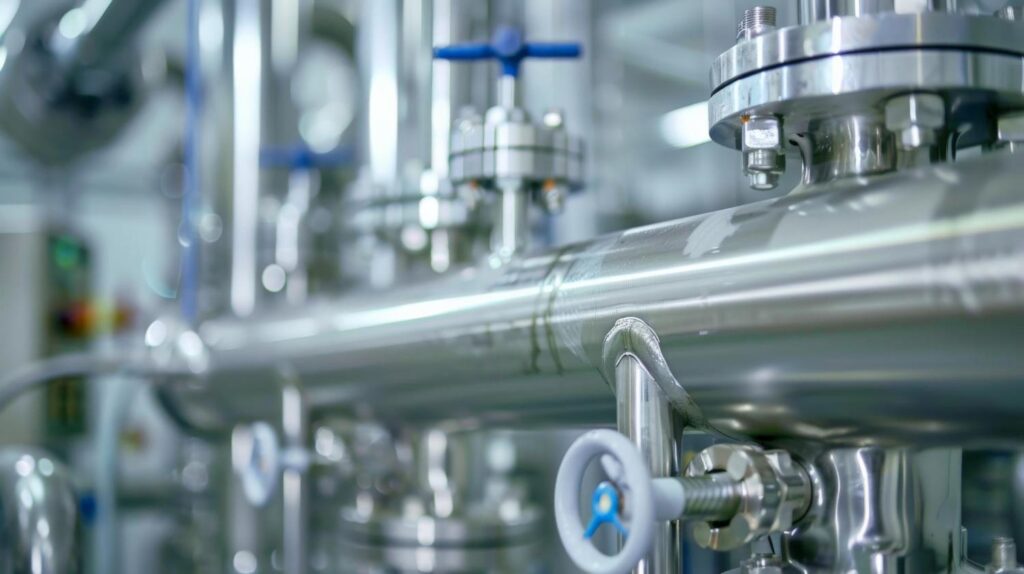
A treatment plant is not dependent on one machine. It is an integrated system in which pumps, valves, dosing equipment, aeration equipment, instrumentation, and solids-handling equipment work together.
Some common equipment options include:
| Equipment | Typical Role |
|---|---|
| Chemical metering pumps | Precise chemical dosing |
| Industrial pumps | Transfer of water, wastewater and sludge |
| Mixers / agitators | Mixing and maintaining tank circulation |
| Surface aerators | Oxygen transfer and wastewater aeration |
| Flowmeters | Monitoring and controlling flow |
| Valves | Flow isolation and control |
| Belt filter presses | Mechanical sludge dewatering |
| Drum skimmers | Removal of floating oil and solids |
Apex Uniparts provides a broad range of industrial equipment and water treatment-related products, including pumps, Chemical Metering Pumps, Kewpump, Mixers & Agitators, Aerators, Flowmeters, Valves, and Belt Filter Presses.
Choosing Industrial Water Treatment Equipment in Malaysia
When selecting equipment, consider more than the initial purchase price. Key factors include:
- Wastewater characteristics and contaminant levels
- Flow rate and peak operating conditions
- Required treatment performance
- Chemical compatibility
- Temperature and pressure
- Solids concentration and particle size
- Energy consumption
- Maintenance requirements
- Spare parts availability
- Applicable DOE requirements
Equipment should also be correctly sized and matched to the complete treatment process. Apex Uniparts provides engineering support covering pump sizing, equipment selection, commissioning, technical support, servicing, and maintenance planning.
Build a More Reliable Industrial Water Treatment System
Effective industrial water treatment requires the right process, equipment, and ongoing maintenance. From chemical dosing and wastewater transfer to aeration, flow measurement and sludge handling, each component contributes to the overall performance of the treatment system.
For Malaysian industrial facilities looking for suitable equipment, explore Apex Uniparts’ product range or contact the Apex Uniparts engineering team to discuss equipment selection and system requirements.