
Gearbox failure in palm oil mills is commonly caused by shock loading, continuous high torque demand, and harsh environmental conditions such as heat, steam, and acidic contamination.
Unlike general industrial applications, palm oil milling operates under 24/7 heavy-duty cycles, especially in screw presses, digesters, and conveyor systems. Standard industrial gearboxes are often not designed for these combined stresses, leading to premature wear and unplanned downtime.
In palm oil mills, blockages in screw presses or conveyors can create sudden torque spikes. These shocks exceed the design limits of standard gearboxes, causing gear tooth fatigue and progressive mechanical failure.
High operating temperatures, steam, and organic acids from palm fruit processing degrade lubrication performance and damage seals. Once lubrication breaks down, friction increases and internal wear accelerates.
Many mills operate continuously during peak harvest periods. Gearboxes not designed for continuous heavy-duty use experience accelerated degradation due to sustained mechanical stress.
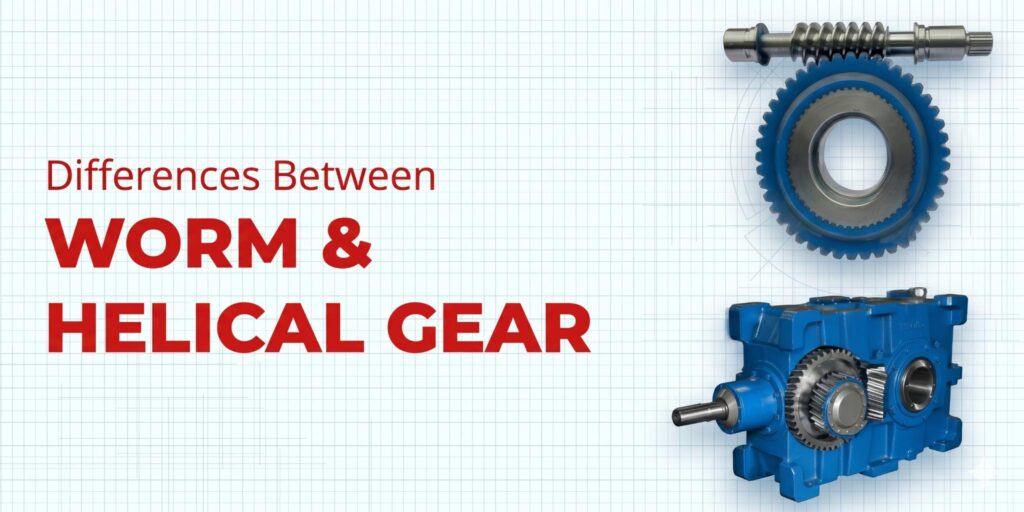
For palm oil mill applications, helical gearmotors outperform worm gear systems in both efficiency and durability.
Worm gear systems may be suitable for light-duty or intermittent applications but are generally not recommended for high-torque mill environments.
Gearbox condition and design directly affect motor load and plant energy consumption. When internal resistance increases due to wear or poor design, motors must draw more power to maintain output performance.
This results in:
In palm oil mills, drivetrain inefficiency can significantly increase long-term operating costs.
For mill environments, engineers typically specify heavy-duty helical gearmotor systems designed for:
These systems are commonly used in:
Explore: Heavy-Duty Gearmotor Systems
A practical selection framework:
Gearbox reliability is not determined by product specification alone, it depends heavily on system design, load conditions, and correct application matching in real operating environments.
Apex Uniparts supports mill operators by providing application-based engineering guidance and system-level evaluation, ensuring that drivetrain components are correctly specified for long-term reliability, energy efficiency, and continuous operation under industrial conditions. Contact the Apex Uniparts engineering team.
Apex Uniparts offers a wide spectrum of products and aftermarket services and is a leader in energy-efficient and environmentally friendly products. Our production process includes customized value engineering to ensure our projects are commercially competitive while still delivering exceptionally high quality integrated systems.